Turn budget baby’s breath into luxe-looking centerpieces with florist-style prep, cloud clustering, the right vase scale, and soft spray tinting for modern v...
Gathova
Silk vs. Fresh Flowers for DIY Wedding Centerpieces

Joanna Mercer
Joanna Mercer is an enthusiastic DIY event decorator and the creative spirit behind Gathova's party guides. With years of hands-on experience designing stunning tablescapes, balloon garlands, and custom photo backdrops for friends and family, she specializes in accessible, budget-friendly celebrations. Joanna loves sharing her practical tips and crafting tutorials to help anyone turn an ordinary space into a memorable party venue.
Published
I have made wedding centerpieces with fresh flowers in my kitchen at midnight, and I have also assembled silk arrangements on my garage floor a month ahead of time while binge listening to playlists. Both can look gorgeous. Both can also go a little sideways if you pick the wrong option for your venue, your schedule, or your comfort level.
This is my real-life comparison of silk vs. fresh flowers for DIY wedding centerpieces, focusing on cost, durability, prep time, and visual appeal. By the end, you will know which one fits your wedding, and you will have a simple game plan either way.
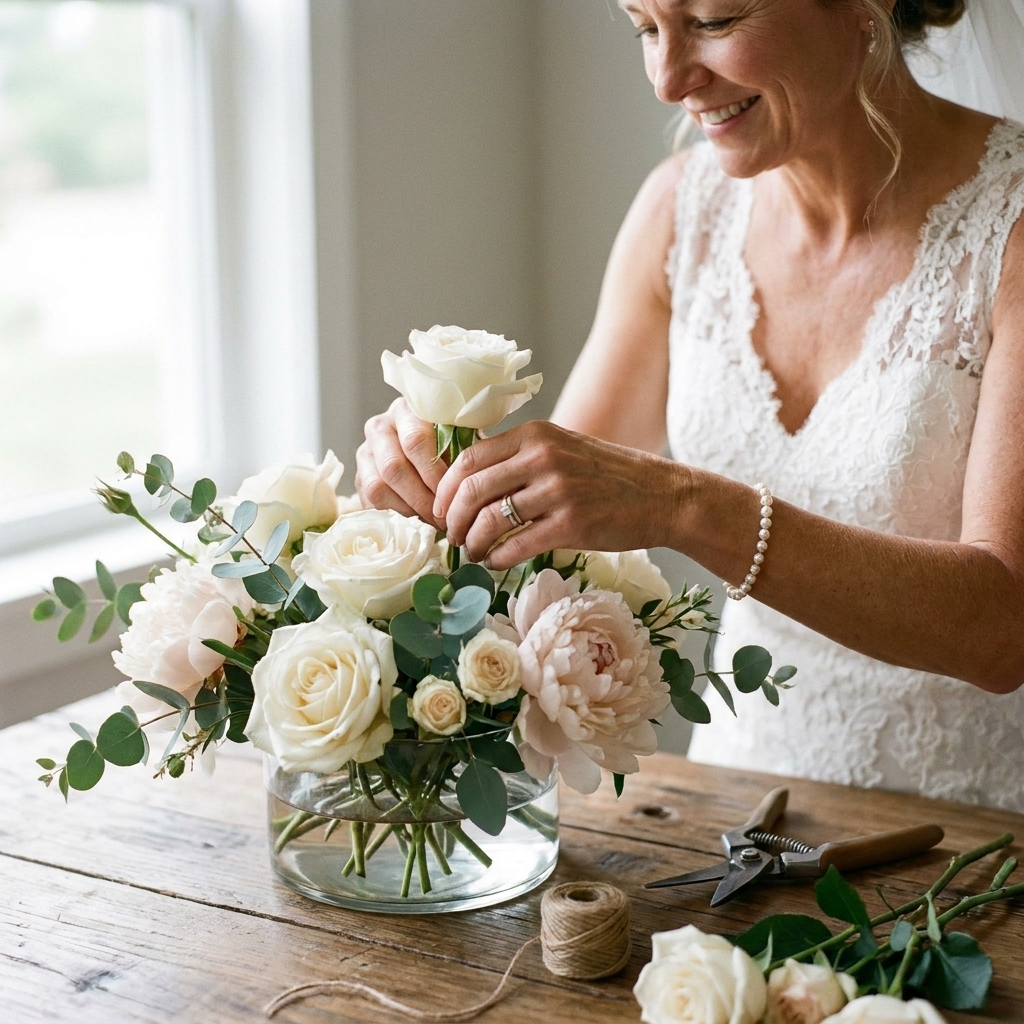
Quick answer
- Choose fresh flowers if scent matters, you want that natural movement on camera, and you can do setup within 24 to 48 hours of the wedding.
- Choose silk flowers if you need to build early, you want minimal wilting stress, your venue is hot or outdoors, or you are moving pieces between locations.
- Choose a hybrid if you want the best of both: silk for the base and greenery, fresh for one hero bloom or an accent that reads real up close.
Cost
Flower cost is not just stems. It is also tools, breakage, storage, and the price of your time (and stress). Here is how the budget usually shakes out.
Fresh flowers: can be cheaper per centerpiece, but time-sensitive
Fresh can be very budget-friendly when you use:
- In-season blooms (think: lots of greens, mums, carnations, alstroemeria, daisies, or roses depending on season).
- Grocery store bunches and simple recipes like a single-flower recipe (one variety plus greenery).
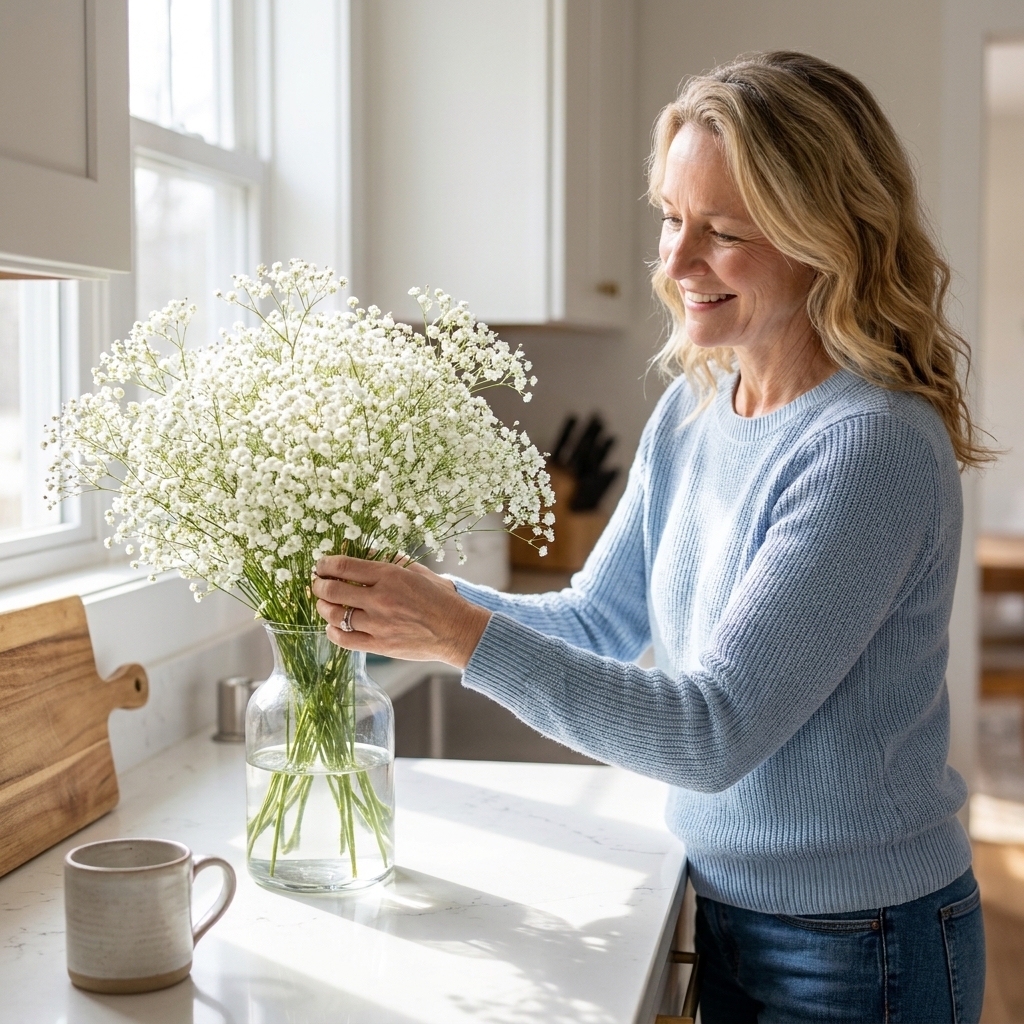
- Baby’s breath as a main filler or even the centerpiece star. If you want it to look elevated, see How to Make Baby’s Breath Look Expensive.
But fresh also comes with “hidden” costs: floral shears, buckets, flower food, extra stems for breakage, cooler space (or at least a safe room), and the risk of last-minute substitutions if a variety is unavailable.
Silk flowers: higher upfront, better reuse value
Silk arrangements can cost more initially because you are paying for the structure and realism. The best value usually comes from:
- Reusing centerpieces for engagement parties, showers, or home decor after the wedding.
- Reselling florals after the event (especially if they are neutral and photo-friendly).
- Buying in lots and repeating the same recipe on every table for a cohesive look.
If you go silk, focus your budget on the blooms guests see up close (top layer), and use affordable greenery to build volume.
My budget reality check
If you are counting pennies and you have a reliable setup window, fresh can be the cheaper path. If you are paying for peace of mind and a build-ahead timeline, silk can win even when it costs more up front.
Durability
Fresh flowers: beautiful, but they have needs
Fresh centerpieces are happiest when they have:
- Clean water (changed or topped off as needed)
- Cool temperatures
- Time out of direct sun
- A stable base that will not tip during transport
Fresh flowers can absolutely last through a wedding. The stress points are transportation, heat, and long gaps between setup and reception. If your venue is outdoors, unairconditioned, or you are doing photos for hours before doors open, you need a plan.
Silk flowers: basically unbothered, with a few caveats
Silk is the clear winner for “it will not wilt.” No limp petals. No water spills. No emergency runs for replacement stems. They also travel better, which matters if you are decorating a ceremony space and a reception space.
That said, silk can fray, show glue seams, shed dye if it gets damp, and collect dust or lint in storage. None of that is a dealbreaker. It just means you should inspect and wipe them down before the wedding week.
The main durability downside of silk
Silk can get crushed. Petals bend, stems kink, and boxes can deform arrangements if you pack them tightly. The fix is simple: give yourself time for fluffing and store in shallow bins with tissue or kraft paper supporting the blooms.
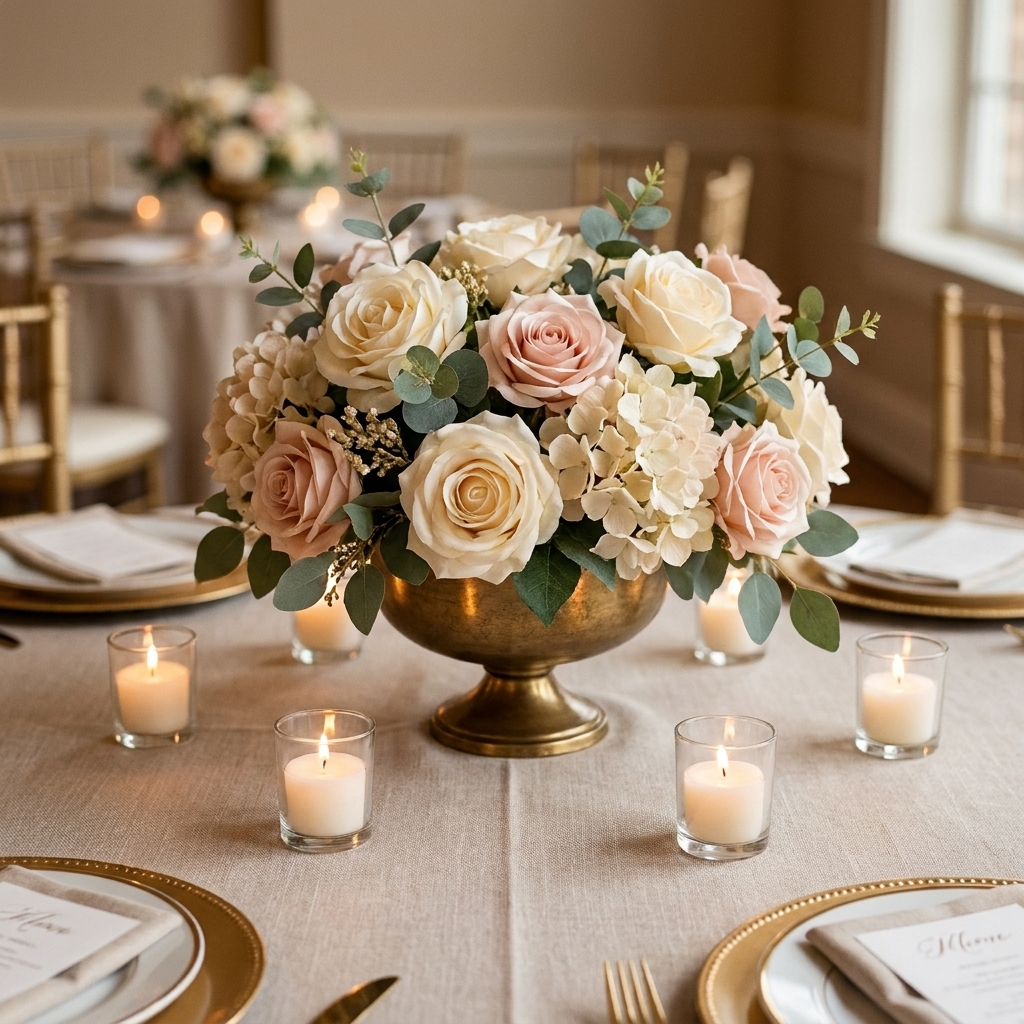
Prep time
Fresh flowers: less crafting, more timing
Fresh centerpieces usually take less “construction time” per piece once you know your recipe, but they require a tight schedule:
- 2 to 3 days before: buy flowers, process stems (trim, strip leaves, hydrate).
- 1 to 2 days before: design centerpieces, store in a cool place.
- Day of: transport carefully, top off water, do quick repairs.
A real-world example: for 10 tables, I like to budget 2 to 4 hours for processing and another 2 to 4 hours for designing, depending on how detailed your recipe is and how many hands you have.
Fresh is the option for people who can dedicate a real block of time close to the wedding, or who have a helper team that does well with last-minute tasks.
Silk flowers: more crafting, but you can do it early
Silk centerpieces are a dream if you love knocking out projects ahead of time. You can assemble everything weeks in advance. That is huge if you are juggling vendor calls, seating charts, and family logistics.
Expect more up-front DIY time because you are:
- Trimming stems with wire cutters
- Taping or wiring bundles
- Building mechanics (foam, chicken wire, or a taped grid)
- Fluffing and shaping each bloom for realism
Time-wise, for 10 tables, silk might be 5 to 10 hours total spread across a few evenings, mostly because shaping and “making it look natural” is where the minutes go.
One quick caution: floral foam can leak green water and it is not always venue-friendly (and some people avoid it for waste reasons). If you use foam, line your container and keep it on a tray while you work so you do not stain anything.
Visual appeal
Fresh flowers: unmatched movement and texture
Fresh flowers have a softness that is hard to replicate. They catch light naturally, have subtle color variation, and they move just a bit when someone walks by the table. On camera, that reads romantic and alive.
Fresh also brings scent, which guests notice even if they cannot name the specific blooms. That sensory layer can make your reception feel extra special.
Silk flowers: can look luxury, or can look craft-store
Silk flowers have come a long way, but realism depends on three things:
- Material: higher-quality fabric and more natural petal edges look better up close.
- Color: slightly muted, layered tones look more real than neon brights.
- Construction: the arrangement shape matters more than the individual stem. Airy and asymmetric tends to read higher-end than tight perfect domes.
My rule: if a silk flower looks a little plastic in your hand, it will look even more plastic under reception uplighting. It can also look shinier in flash photos, so keep your top blooms as matte as possible and mix in textured greenery to break up that sheen.
Up close vs. across the room
Guests view centerpieces at two distances: from their seats and while walking around. Silk can look perfect from a few feet away. Fresh almost always wins up close. If your wedding is intimate with close seating and lots of table conversation, fresh has an edge. If your tables are wide, your centerpieces are larger, or your venue lighting is dim and warm, silk can absolutely pass.
Stress and flexibility
Fresh: higher risk, higher reward
The biggest fresh-flower stressors:
- Availability changes, especially for trendy blooms
- Weather affecting quality
- Last-minute design crunch
- Transport and storage logistics
If you thrive on a checklist and a deadline, you can handle this. If you already know you get anxious close to big events, you might not want your centerpieces depending on temperature and time.
Silk: calmer, more forgiving
Silk lets you test your look early, adjust your color palette, and even swap vases without a deadline breathing down your neck. That flexibility is priceless if you are DIYing a lot of your decor.
If you are DIYing multiple decor elements, it can help to choose projects that are low-stress on the wedding week. For example, a backdrop made from tablecloths is a very forgiving project compared with fresh florals. See Plastic Tablecloth Photo Backdrop That Looks Expensive.
Venue rules to check
This is the unglamorous part that can make the decision for you. Before you commit, ask your venue (or planner) about:
- Open flame rules: some venues allow only LED candles, which can change how your tablescape reads.
- Water on tables: some venues do not love dripping vases on linens, or they require waterproof protection.
- Setup and teardown windows: a short setup window pushes many DIY couples toward silk or hybrid.
- Storage access: is there a cool, secure spot to stage fresh arrangements while you finish photos and details?
These rules matter just as much as your flower preference.
How to choose
Choose fresh if these are true
- Your venue is climate-controlled, or you have access to a cool staging area.
- You can build the day before, or you have a reliable helper team.
- You want fragrance and organic texture.
- You are comfortable with minor imperfections and last-minute fixes.
Choose silk if these are true
- You need to prep weeks ahead.
- Your venue is hot, outdoors, or has a long setup-to-guest-arrival gap.
- You are transporting decor a long distance.
- You want the option to reuse or resell.
Choose hybrid if you want a best-of-both centerpiece
This is my favorite compromise for DIY couples. Try one of these approaches:
- Silk greenery base plus fresh focal blooms: Use silk eucalyptus, ruscus, or fern as the bulk. Add 1 to 3 fresh blooms per centerpiece for realism.
- Silk flowers plus fresh herbs: Tuck in fresh rosemary or mint for scent and a just-picked look.
- Silk florals plus fresh bud vases: Put small fresh bud vases around a central silk arrangement for that fresh pop without doing full fresh centerpieces.
Make it look expensive
Keep it intentional, not crowded
- Leave negative space so each bloom reads.
- Vary heights slightly, even in low centerpieces.
- Repeat the same flower types across all tables for a cohesive look.
Upgrade the base, not just the blooms
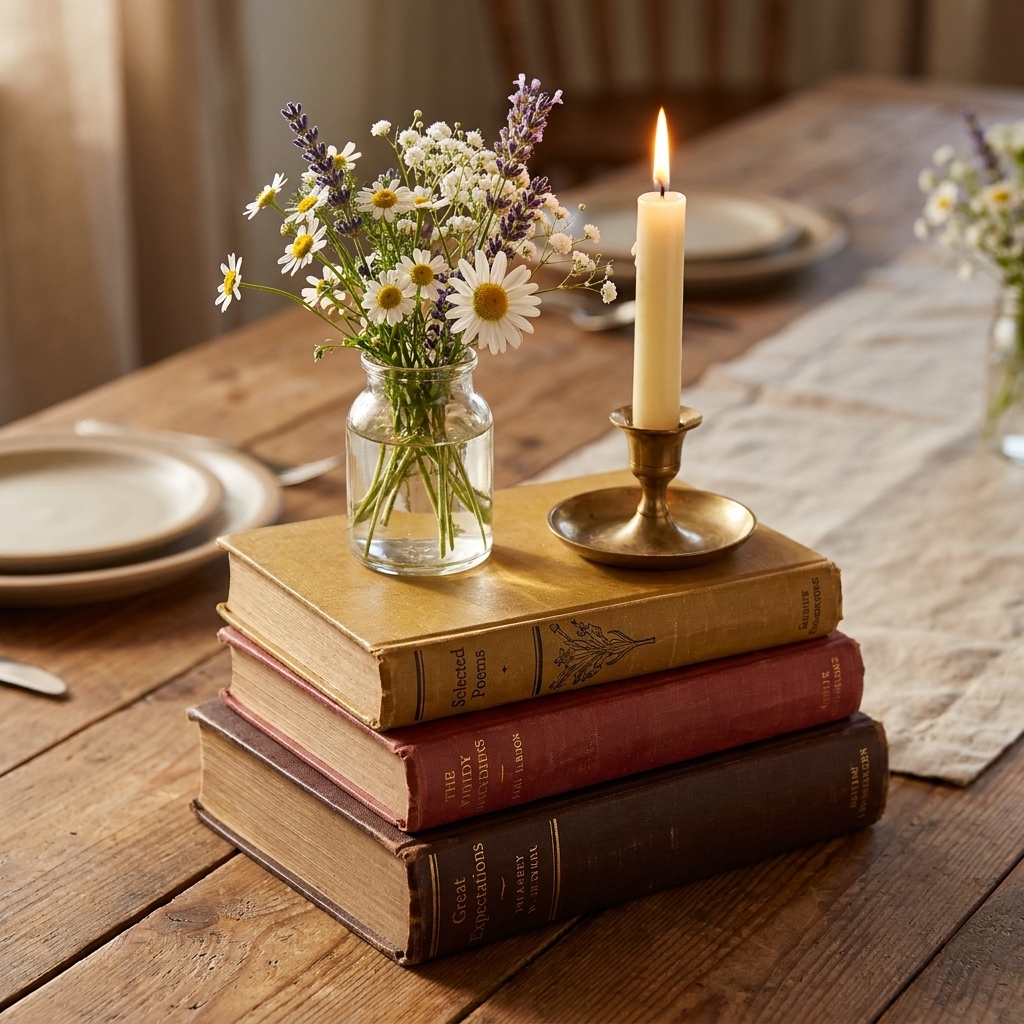
A simple vase upgrade can elevate budget flowers fast. I love using risers to add height and presence without buying more stems. If you have sturdy hardcovers around, see Hardcover Books as Centerpiece Risers for a surprisingly elegant trick.
Use candlelight (if your venue allows it)
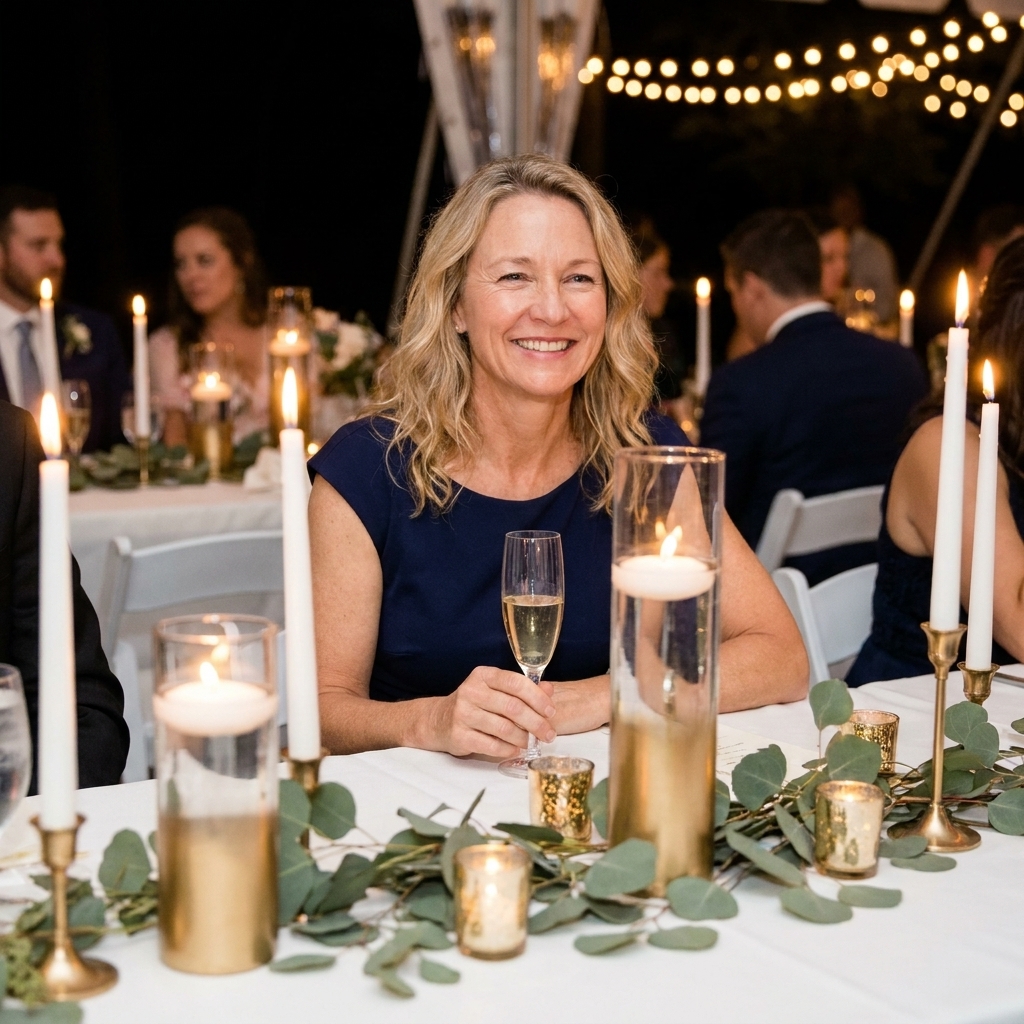
Whether you choose silk or fresh, adding candles around the centerpiece softens everything and makes the whole table feel more luxurious. It also helps silk look more natural under warm light. If open flame is not allowed, clustered LED candles can still give you that glow.
For silk: reduce shine and add shape
- Gently bend stems so they do not stand straight up.
- Mix in matte greenery to reduce that glossy look.
- Do a final fluffing session the day before setup, and wipe off dust or lint.
For fresh: make it last longer
- Trim stems on an angle.
- Strip leaves that would sit below the water line.
- Hydrate in clean buckets for several hours before arranging.
- Keep finished pieces cool and out of sun, and away from strong HVAC vents.
- Keep flowers in water until the last possible minute if you are doing a heat-prone setup.
Transport and setup
Fresh transport basics
- Use shallow boxes or milk crates to keep vases from sliding.
- Line with towels to stabilize.
- Bring extra water, paper towels, and snips for touch-ups.
Silk transport basics
- Use bins with plenty of headspace.
- Support arrangements with tissue so blooms do not compress.
- Plan 20 to 30 minutes at the venue just for fluffing.
If you are deciding how much decor to purchase vs. build and store, you might also like Rent vs. Buy Event Decor for Large Parties.
FAQ
Do silk flowers photograph well?
High-quality silk flowers can photograph beautifully, especially in warm reception lighting and from guest distance. The biggest giveaway is usually shine and overly uniform petals. If you choose silk, go for more natural colors, mix textures, and build an airy shape. If your photographer uses flash, that sheen can show more, so matte greens and textured fillers help a lot.
Are fresh flowers cheaper than silk?
Sometimes, especially if you use in-season blooms and simple recipes. But fresh has time pressure and possible last-minute replacement costs. Silk can cost more upfront, but it is reusable and far less stressful on the wedding week.
What if I have allergies in the family?
Silk can be a safer choice if you have guests with strong pollen sensitivities. That said, some fresh options are naturally lower-pollen, and fragrance sensitivities can vary a lot person to person. If allergies are a big concern, avoid heavy-shedding, strongly scented blooms and keep centerpieces a little lower and airier so they are not right in someone’s face all dinner.
Can I make fresh centerpieces the day before?
Yes, for many designs. Keep them hydrated, cool, and out of sun. If your flowers are delicate or your venue is hot, same-day setup is even safer.
My takeaway
If you want that unmistakable romance and scent and you can commit to a tight timeline, fresh flowers are magic. If you want to build early, avoid wilting drama, and keep wedding week calmer, silk flowers are your best friend.
And if you are stuck in the middle, go hybrid. It is the option I recommend most often because it gives you the look people love with a schedule your future self will thank you for.
For more centerpiece and table styling ideas, browse Tablescapes & Centerpieces, and if you are in full DIY mode, you can find more projects in DIY Decor Projects.