Styling rounds, rectangles, and odd square tables? Use one palette, one signature repeat, and a centerpiece “recipe” in 3 sizes—plus spacing and linen tips f...
Gathova
Tall vs. Low Centerpieces

Joanna Mercer
Joanna Mercer is an enthusiastic DIY event decorator and the creative spirit behind Gathova's party guides. With years of hands-on experience designing stunning tablescapes, balloon garlands, and custom photo backdrops for friends and family, she specializes in accessible, budget-friendly celebrations. Joanna loves sharing her practical tips and crafting tutorials to help anyone turn an ordinary space into a memorable party venue.
Published · Last updated
I learned this lesson the hard way at a backyard birthday years ago, back when my “centerpiece strategy” was basically: make it big and hope for the best. The tall arrangements looked gorgeous in photos, but halfway through dinner I watched guests lean left and right like they were playing peekaboo just to talk across the table. Ever since, I treat centerpieces like part of the event flow, not just the decor.
So if you are deciding between tall versus low centerpieces, here is the practical breakdown I use: how each style changes the room, what it tends to cost, and how it affects conversation, serving, and overall guest comfort.
The quick difference (in real-life terms)
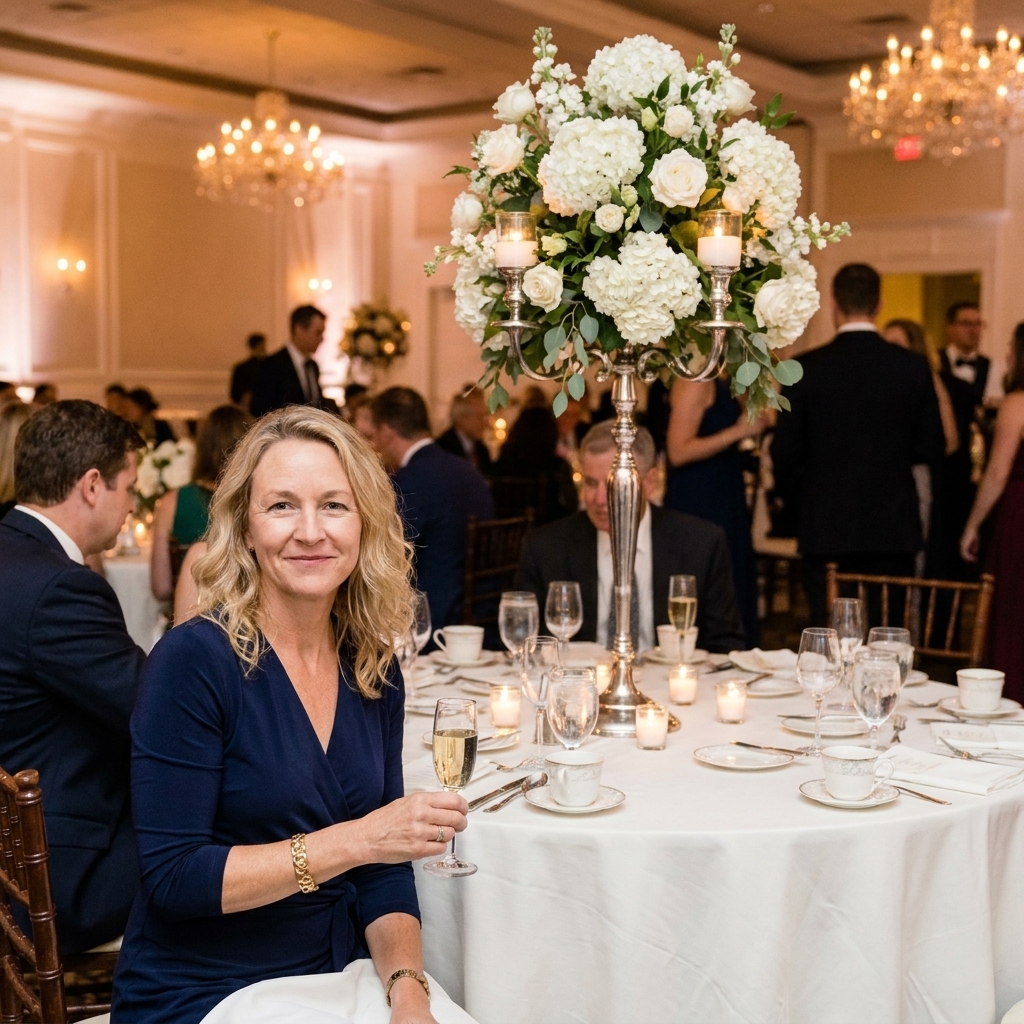
Tall centerpieces usually sit on a stand or a raised structure. Think floral on metal stands, trumpet vases, or anything that visually lifts the design above eye level.
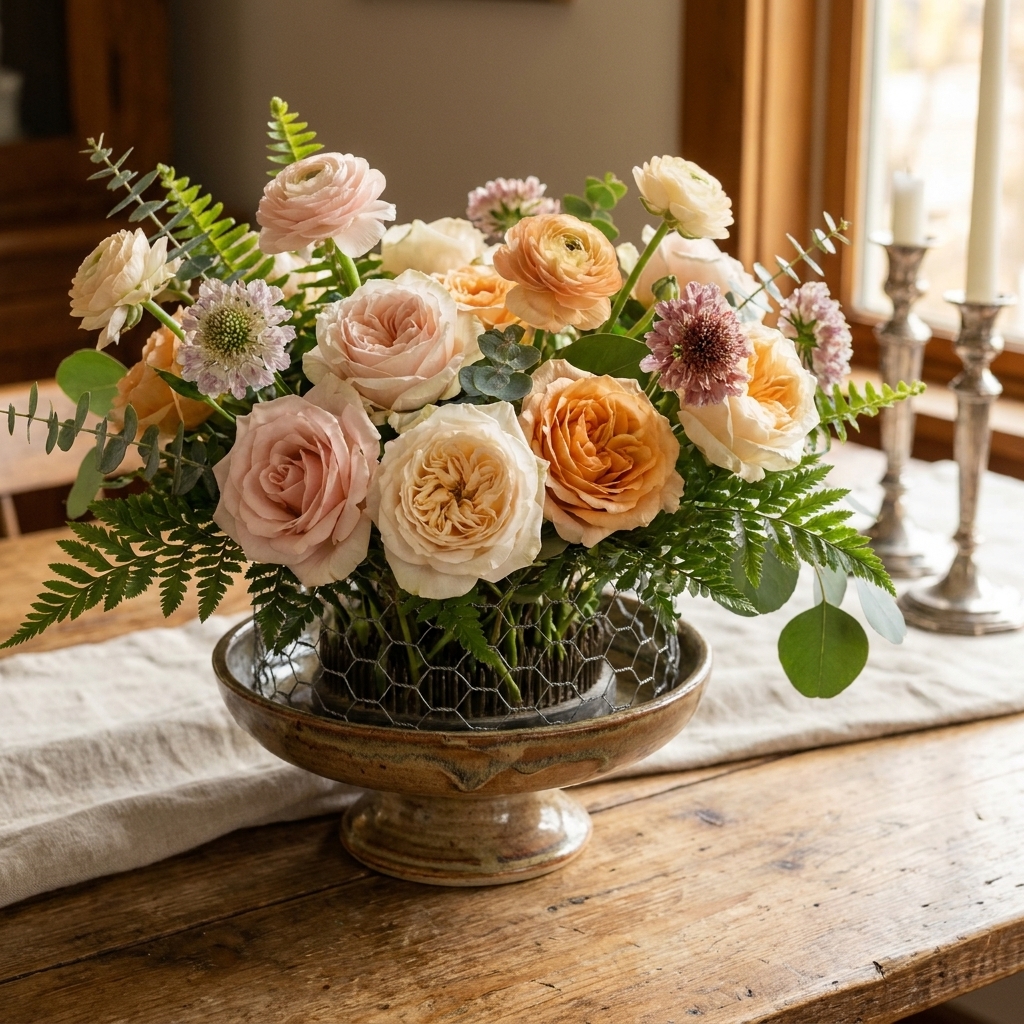
Low centerpieces stay below sightline. Think compotes, bud vases, greenery runners, or clustered candles and blooms that stay around 6 to 12 inches tall.
Neither is “better” on its own. The best choice depends on your venue, table shape, guest count, and how interactive you want the table experience to feel.
Visual impact: which one makes the room feel styled faster?
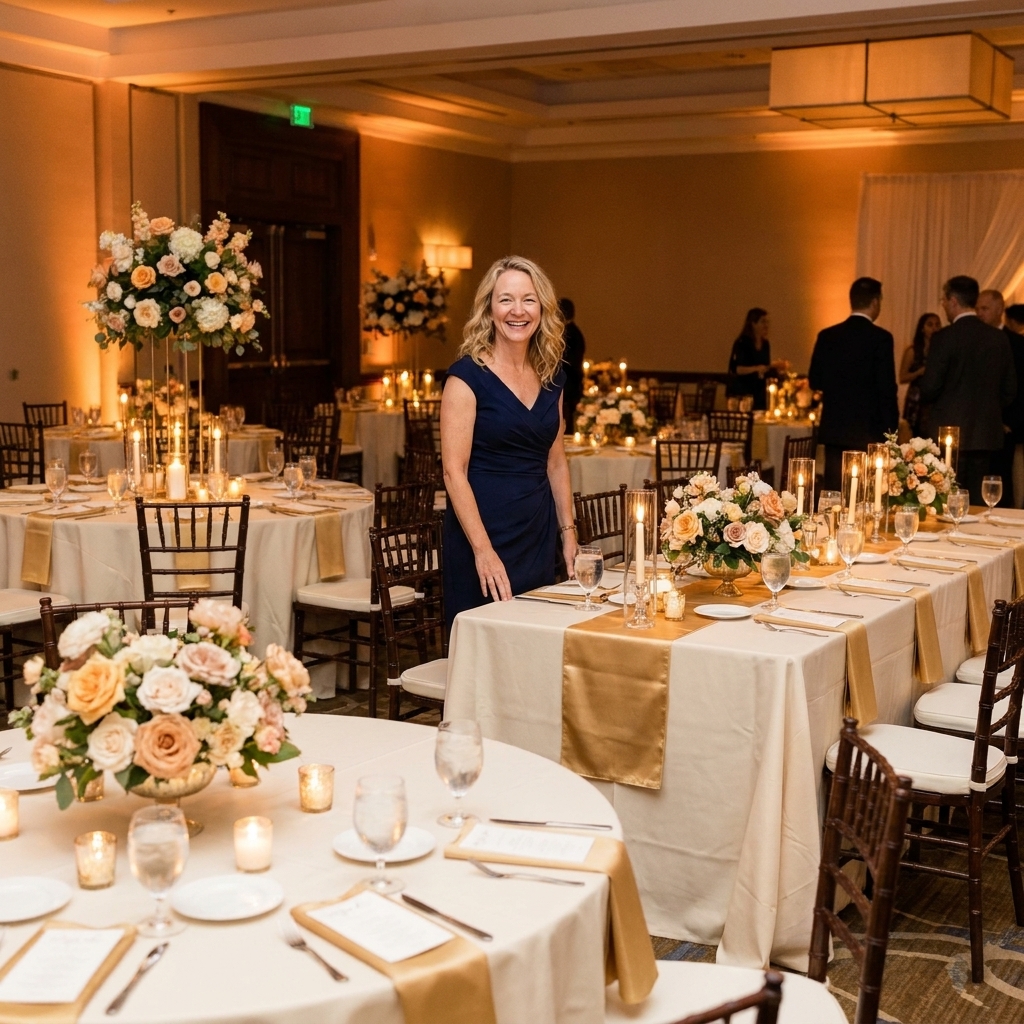
Tall centerpieces: instant drama, especially in big spaces
Tall arrangements are the shortcut to that “wow” moment, especially if your venue has:
- High ceilings (ballrooms, barns, lofts)
- Lots of open air above the tables that looks empty in photos
- Neutral or plain walls where you need vertical interest
They pull the eye upward and can make a room feel more finished with fewer extra decor pieces. If the venue is visually large, tall centerpieces help your tables hold their own.
Low centerpieces: polished, intimate, and detail-forward
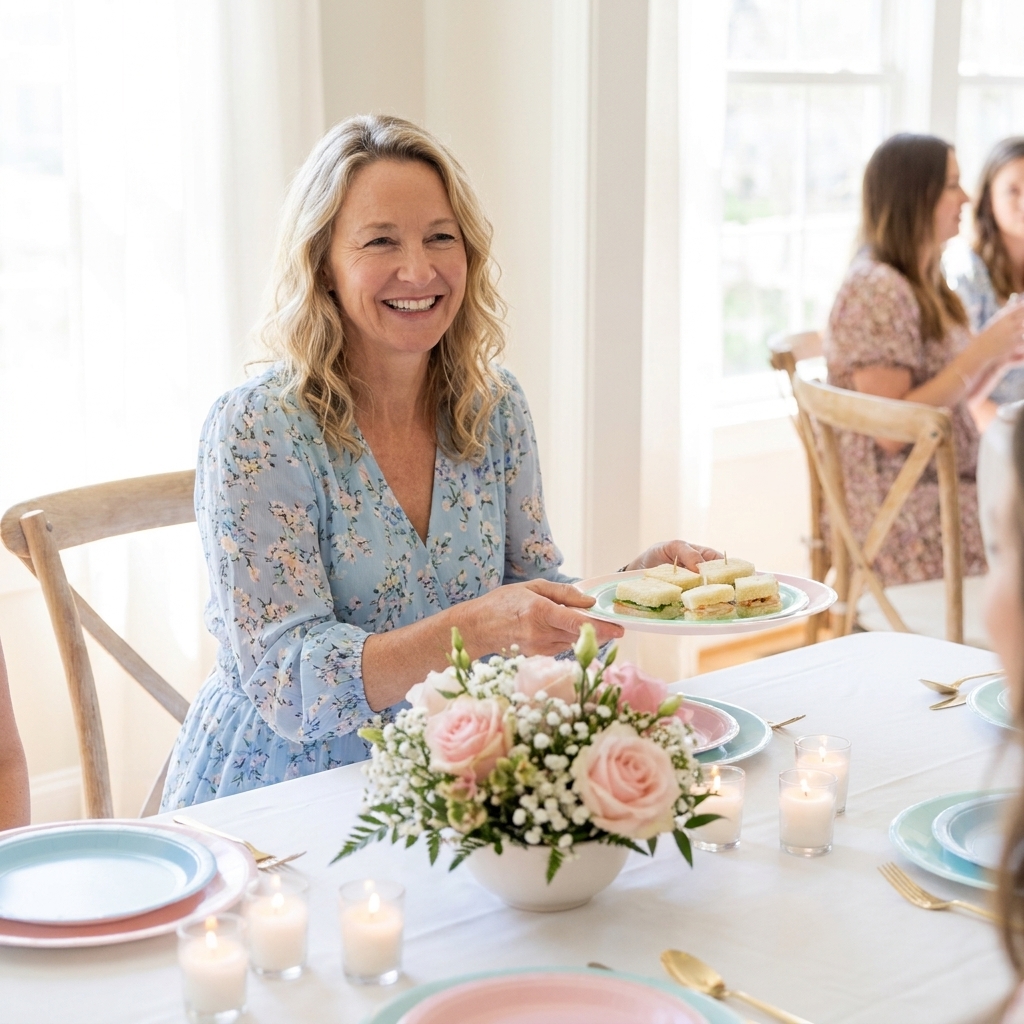
Low arrangements shine when you want the tablescape itself to be the star. They create a cozy, “come sit and stay awhile” feeling and photograph beautifully from above. Low centerpieces are especially flattering for:
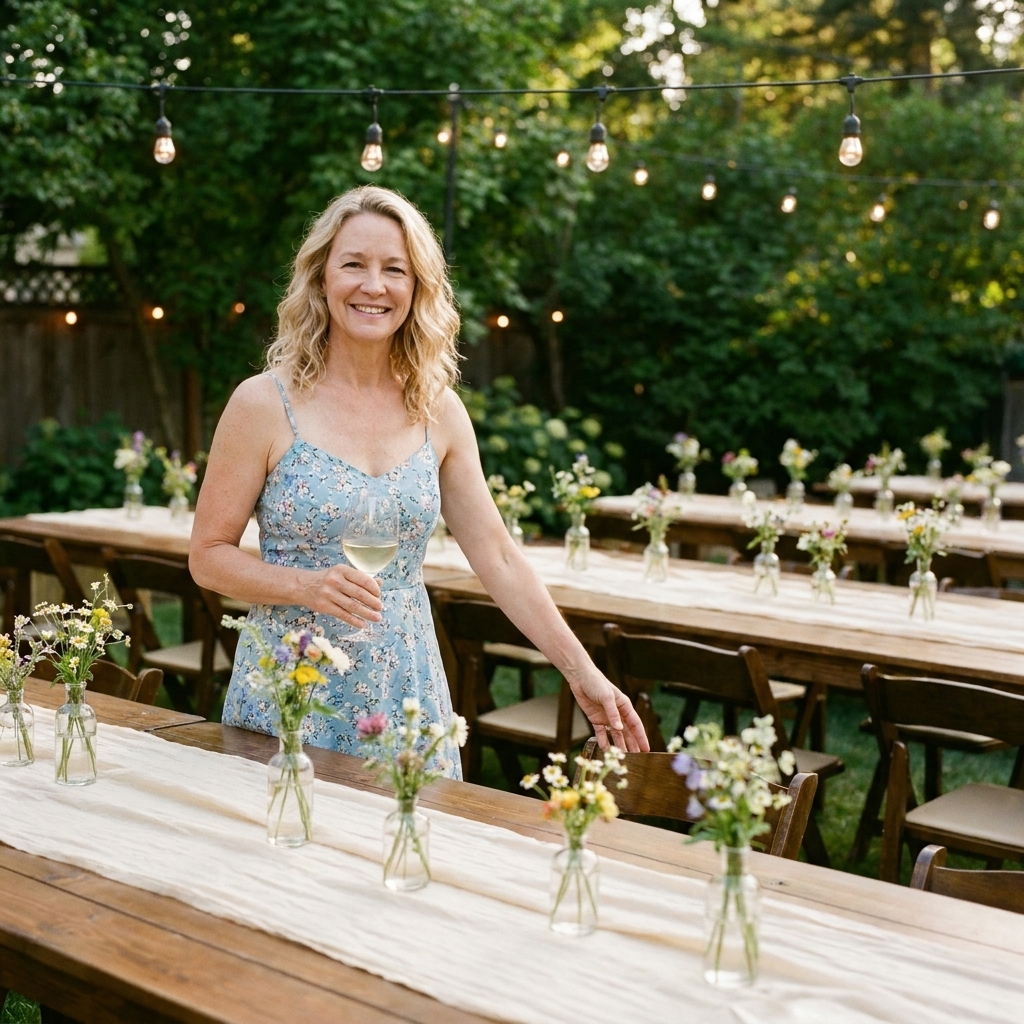
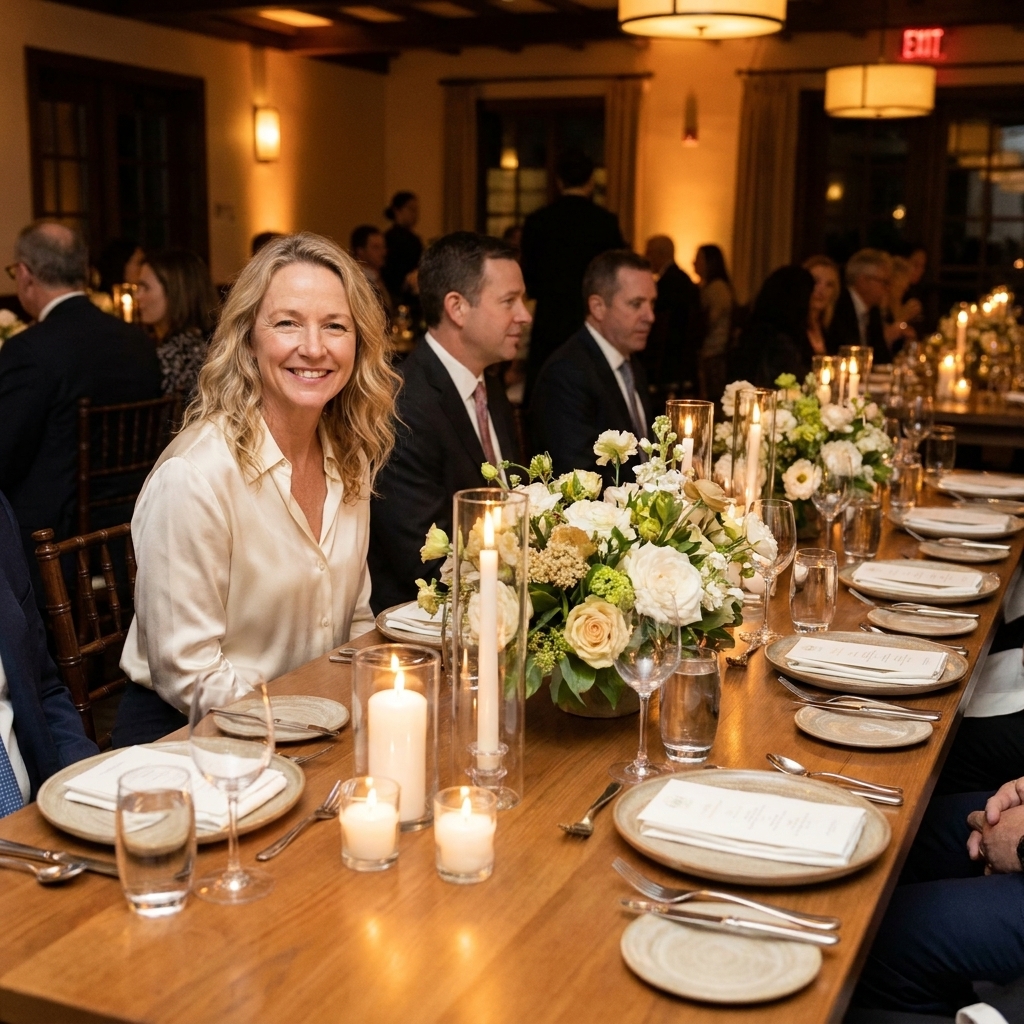
- Long farmhouse tables
- Small venues where tall pieces can feel crowded
- Brunch, shower, and daytime events where airy and fresh tends to fit the vibe
If you love layered details like napkin styling, menus, and taper candles, low centerpieces leave room for all the pretty little moments.
Guest interaction: conversation, serving, and comfort
Tall centerpieces: great when designed with clear sightlines
The biggest complaint about tall centerpieces is blocked views. But it is not a guaranteed problem if you build them correctly.
Guest-friendly tall centerpiece rule: keep the “busy” part either well above eye level or well below it. In other words, use a slim stand and place the flowers high enough that people can see under it.
- Works best for: round tables of 8 to 10, where conversations happen more side-to-side
- Tricky for: long rectangles where guests need to talk across the table
Also consider serving logistics. If food is family-style or passed around, tall stands can take up the “hand-off lanes” in the center of the table.
Low centerpieces: easiest for social events and dinner tables
Low centerpieces are the safest choice for guest experience. People can actually see each other, reach the bread basket, and grab their water without a floral obstacle course.
- Works best for: long tables, community seating, and events where mingling matters
- Bonus: easier for guests to take photos of each other at the table
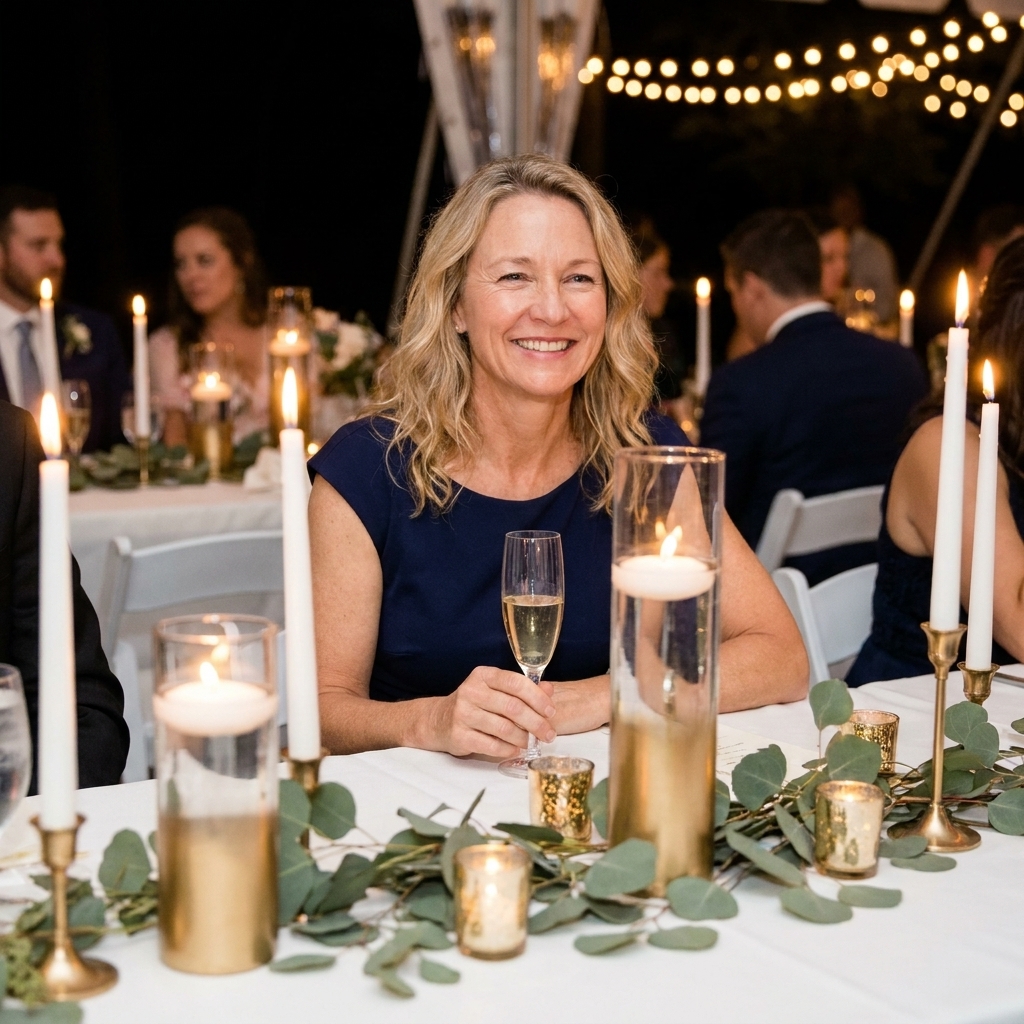
If you are planning a toast-heavy event where people will be turning, clinking glasses, and chatting across the table, low centerpieces keep the energy flowing.
Cost comparison: what usually makes tall more expensive
There are exceptions, but tall centerpieces tend to cost more for a few predictable reasons.
Why tall centerpieces can cost more
- Mechanics and rentals: stands, trumpet vases, risers, and sometimes delivery or setup fees
- More materials: the design must look full from multiple angles and hold up at height
- Labor and stability: securing foam or cages, balancing weight, and transporting safely
DIY note: tall arrangements are doable, but the “hidden” costs add up fast if you have to buy stands, heavy vases, and transport bins.
Why low centerpieces can be more budget-flexible
- Smaller vessels: thrifted bowls, compotes, bud vases, or even cleaned jars
- Less volume required: especially if you use candles and greenery to fill space
- Easier to DIY: you can build them assembly-line style the morning of
If you want a low centerpiece that still reads “lush,” lean on fluffy, inexpensive volume. Baby’s breath is famous for this, and I have a full walkthrough on making it look elevated here: How to Make Baby’s Breath Look Expensive.
Venue factors that should decide for you
1) Ceiling height and lighting
If you have chandeliers, string lights, or greenery installations, tall centerpieces can compete visually and create a cluttered “everything is up here” feeling. In that case, go low on the tables and let the ceiling decor be the vertical moment.
If the ceiling is high and empty, tall centerpieces help the room feel designed without needing to drape or hang decor.
If you are doing any overhead lighting, safety matters too. Here is my best checklist for outdoor setups: How to Safely Hang Fairy Lights Outdoors.
2) Table shape and width
- Rounds: tall or low both work, but tall should have open sightlines underneath
- Long rectangles: low almost always feels better for conversation
- Skinny tables: tall can feel top-heavy, low clusters keep things balanced
3) Guest count per table
The tighter the seating, the more you want a centerpiece that stays out of the way. For packed tables, low wins almost every time.
4) Venue rules and practical constraints
Some venues restrict open flame, tall freestanding decor, or anything that could tip easily. If candles are part of your design, anchor them properly and keep heights sensible. For tapers specifically, I use these methods: How to Secure Taper Candles on Event Tables.
Style match: what looks “right” for different events
Weddings
- Formal ballroom: tall centerpieces photograph beautifully and fill the space
- Garden, backyard, or intimate venue: low centerpieces feel romantic and relaxed
- Budget tip: mix heights. Put tall centerpieces on a portion of tables and keep the rest low to stretch your floral budget
If you are still deciding on flower type, this comparison can help: Silk vs. Fresh Flowers for DIY Wedding Centerpieces.
Baby showers and brunch parties
Low centerpieces are usually the sweet spot here. Guests want to talk, open gifts, and take photos. Keep the table friendly.
Milestone birthdays and anniversary dinners
If the vibe is candlelit and glam, go tall only if the room is large enough. Otherwise, do low arrangements with upgraded materials like compotes, metallic accents, or layered candle heights.
Corporate or community events
Low centerpieces tend to be more practical, especially when name cards, signage, or handouts are on the table. If you want height, choose something airy and open underneath.
My favorite compromise: “tall, but airy” and “low, but not flat”
If you love tall centerpieces but hate the blocked-view problem
- Choose a stand with a thin stem and a small footprint
- Keep the florals above eye level when seated
- Use a light, see-through recipe: greenery, branches, orchids, baby’s breath
- Skip bulky bases that eat table space
If you love low centerpieces but worry they will look too plain
- Build a cluster instead of a single piece (bud vases plus candles plus a small focal arrangement)
- Add height variation with taper candles or slightly taller blooms in the middle
- Use runners like cheesecloth to extend the design down the table. My go-to method is here: Hand-Dyed Cheesecloth Table Runners
- Elevate the centerpiece by lifting the vessel on a subtle riser. Hardcover books work surprisingly well: Hardcover Books as Centerpiece Risers
A simple decision checklist (steal this)
- Pick tall if your venue is large, ceilings are high, and you want dramatic photos with fewer extra decor pieces.
- Pick low if guest conversation, family-style serving, and comfort matter most, or if the venue is small and cozy.
- Mix both if you want the best of both worlds and need to manage budget. Tall on select tables (like sweetheart, head table, or alternating guest tables), low everywhere else.
And if you are working on a tight budget, you will like my roundup of centerpiece tricks that look pricier than they are: 10 Dollar Tree Wedding Centerpiece Hacks That Look Expensive.
FAQ
Are tall centerpieces always more expensive?
Not always, but they often are because you are paying for height mechanics (stands, vases, stabilization) and usually more labor. You can keep costs down with airy designs and by reusing stands across multiple events, if that is realistic for your setup and storage.
What is the best height for a tall centerpiece so guests can still talk?
A good rule is: the floral mass should start above typical seated eye level, and the base should be slim enough that guests can see under it. If you cannot confidently guarantee sightlines, go low or choose a very open, branchy design.
Can I mix tall and low centerpieces without it looking messy?
Yes, and it is one of my favorite strategies. Keep the unifying elements consistent: same color palette, similar vessel finish (all clear glass, all white ceramic, all gold), and similar flower types. Then alternate heights in a predictable pattern so the room feels intentional.
What if my venue has low ceilings?
Low ceilings and tall centerpieces usually fight each other. In those rooms, low centerpieces with layered candles and texture often look more expensive than tall arrangements that feel squeezed in.